
Access Public Number Archives for 3291063213, 3515892116, 3393349743, 3805951370, 3470563228

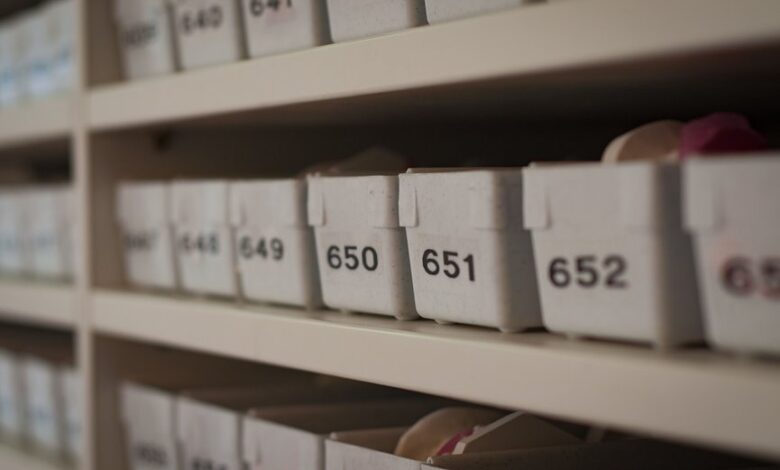
Access to public number archives for 3291063213, 3515892116, 3393349743, 3805951370, and 3470563228 requires identifying stable custodians and primary repositories. This discussion outlines provenance, access channels, and documented ownership. It emphasizes governance, ethical handling, and preservation safeguards while noting potential limitations and verification steps. The aim is to establish reliable, auditable access through official procedures, with each step justified and traceable, inviting further examination of how custodianship shapes outcomes and long-term stewardship.
What Are Public Number Archives and Why They Matter
Public number archives are curated repositories that collect and preserve communications associated with specific identifiers over time. The concept emphasizes durable records, verifiable provenance, and transparent retrieval. In this framework, public number serves as a traceable beacon, guiding researchers toward consistent references. Such archives access enables accountability, reproducibility, and collective memory, supporting freedom through documented, accessible, and verifiable communication histories.
Where to Find Archives for 3291063213, 3515892116, 3393349743, 3805951370, 3470563228
Where to locate archives for the identifiers 3291063213, 3515892116, 3393349743, 3805951370, and 3470563228 can be approached by identifying stable custodians and primary repositories that maintain provenance-backed records.
The method emphasizes finding archives via official archives, libraries, and data custodians.
Access paths include formal requests, digitized holdings, and secure access protocols, focusing on securing access with documented provenance and clear ownership.
How to Verify and Interpret Archived Records Safely
Verification and interpretation of archived records require a disciplined, methodical approach anchored in provenance, context, and methodological safeguards. Archivists outline verification through transparent provenance trails, cross-referencing sources, and annotating limitations. Findings rely on disciplined discovery methods and cautious data interpretation, emphasizing reproducibility, error awareness, and ethical handling. Safeguards ensure privacy, authenticity, and responsible dissemination without misrepresentation or overgeneralization.
Best Practices for Efficient, Compliant Access and Usage
Efficient and compliant access to archival materials demands clear governance, standardized procedures, and transparent provenance. The framework emphasizes verifiable permissions, audit trails, and controlled dissemination. Best practices align with institutional policy, ensuring data integrity, reproducibility, and ethical use. Compliant access requires training, defined roles, and accountable handling. Users balance freedom with safeguards, facilitating responsible research while preserving archival value and long-term accessibility.
Conclusion
In the end, the archives stand as quiet custodians, mapping time with exacting lines and careful hands. Each numbered entry is a compass needle, pointing toward provenance, ownership, and duty. Access is a disciplined hunt, guided by governance and provenance-backed records, not impulse or haste. When properly navigated, the record becomes a trustworthy corridor—transparent, preservable, and ethically bounded—through which researchers move with confidence, knowing the walls around them hold fast to truth and long-term stewardship.