
Every season has its own personality, and honestly, not all of them are kind to your home. The cold snaps of winter crack your caulk and strain your furnace. Summer heat bakes your attic and drives up your cooling bills. Home seasonal temperature change is a real, ongoing force that affects your walls, your systems, and your wallet in ways most homeowners only notice after something breaks.
Here’s a number worth sitting with: households that weatherize properly save an average of $372 or more per year. That’s not a rounding error. That’s real money staying inside your home instead of seeping out through gaps and inefficiencies. Whether you’re in Fairfield, New Haven, or Westchester County, preparing your home for seasonal weather before the temperature shifts is the difference between a comfortable house and a reactively expensive one.
Let’s start where the stakes are highest, your HVAC system, because getting it right here compounds everything else.
Smarter Seasonal Temperature Strategies for Your Home
Your HVAC system works hardest precisely when outdoor temperatures swing hardest. Getting ahead of those swings, instead of chasing them, makes a measurable difference in both comfort and cost. Here’s how to work with your system rather than against it.
Know When to Call a Professional and When to Handle It Yourself
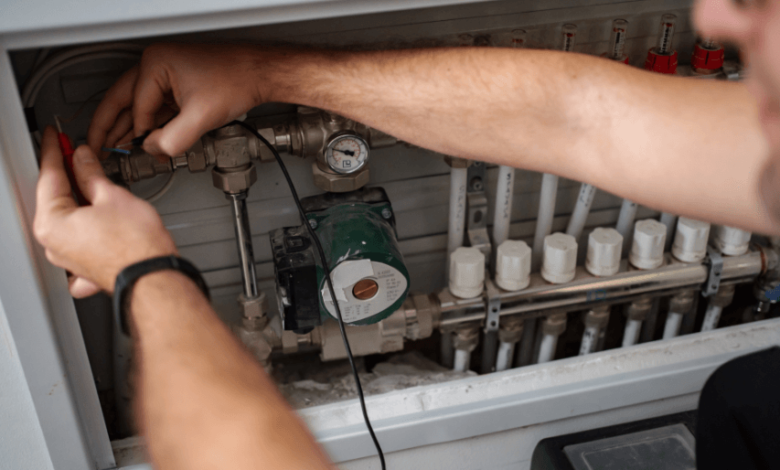
Let’s be honest, some homeowners try to push through problems that genuinely require professional attention. If your system is making sounds it didn’t use to make, distributing heat unevenly, or short-cycling repeatedly, those aren’t quirks to ignore. They’re signals worth acting on. Reaching out to a qualified technician for heating repair is the right call when your system crosses the 10–12 year mark, when basic troubleshooting hasn’t resolved the issue, or when something just feels off about performance. Comfort and safety aren’t worth gambling on.
Even a perfectly tuned HVAC system can’t compensate for a home envelope that leaks energy at every seam. That’s the next layer worth addressing.
Match Your Thermostat Settings to Real Life
Smart thermostat scheduling is one of those improvements that sounds simple but genuinely changes how your home performs day-to-day. Automating temperature adjustments around your morning, daytime, and evening routines means your system isn’t burning energy for an empty house.
Geofencing adds another layer to this; your thermostat reads your phone’s location and adjusts accordingly. It’s surprisingly effective, quietly trimming energy waste without asking anything of you.
Don’t Ignore Filter and System Maintenance
Replace air filters every one to three months. The actual interval depends on how much you run the system, whether you have pets, and local air quality. A choked filter makes your system work harder than necessary, which accelerates wear and inflates your utility bills.
Book a professional tune-up before peak season arrives, early fall for your heating system, early spring for cooling. Catching a developing problem in September is infinitely less painful than discovering it during the first real cold front in December. While you’re at it, check your ductwork for gaps and make sure your thermostat sensors are reading accurately.
Fortifying Your Home’s Envelope Against the Elements
Your home’s envelope, the walls, roof, windows, and doors that separate inside from outside, is your first and most fundamental defense against outdoor temperatures. Strengthening it is one of the highest-return seasonal home maintenance tips available to any homeowner.
Seal the Gaps, Insulate the Right Spots
Weather-stripping around doors and windows is inexpensive, takes less than an hour per opening, and pays for itself almost immediately on your next utility bill. It’s the kind of task you do once and stop thinking about.
Attic insulation is where a lot of homes silently bleed money. Heat rises, and without adequate coverage above your living space, you’re spending real money conditioning air that escapes through your ceiling. Basement insulation matters too, helping stabilize indoor temperatures throughout the year regardless of the season.
Use Window Treatments Strategically
Programmable smart blinds don’t get enough credit. Set them to open during winter mornings and capture passive solar warmth, then close during summer afternoons to block unwanted heat gain. If smart blinds aren’t in your budget, heavy thermal curtains accomplish much of the same thing, keeping radiant heat inside during winter and reducing cooling load during summer.
Caulk, Gutters, and Exterior Details
Walk your exterior and inspect the caulking around window frames, door frames, and wherever dissimilar materials meet on your siding. Cracked or missing caulk is a deceptively significant source of energy loss, and one of the easiest problems to fix with an afternoon and a caulk gun.
This matters at scale, too. North America accounts for roughly 38% of global revenues in the seasonal HVAC commissioning market, approximately USD 1.22 billion in 2024, reflecting how seriously structured seasonal preparation is taken professionally. Gutters and drainage also deserve attention here. Blocked gutters lead to water infiltration that silently degrades your insulation and can cause structural damage that’s expensive to correct.
Sealing and insulating create your thermal barrier. But real comfort goes further than temperature, air quality, and humidity shape how every season actually feels inside.
Indoor Air Quality and Comfort Beyond the Thermostat
Truly adjusting home for temperature changes isn’t only about heating and cooling. The cleanliness of your air, your humidity levels, and how air circulates through your rooms all determine whether your home feels genuinely comfortable or just climate-controlled.
Manage Airflow and Reduce Indoor Allergens
Here’s one most people overlook: ceiling fan direction. In winter, run fans clockwise on low speed to push warm air back down from the ceiling where it collects. In summer, switch them counterclockwise to create a cooling downdraft. Simple and free.
Spring is also the right time to deep-clean your ductwork. A winter spent with windows sealed collects allergens, dust, and debris inside your system. Clean vents regularly to maintain healthy airflow and keep recirculation from becoming a problem.
Balance Humidity Through the Seasons
Dry winter air isn’t just uncomfortable; it causes static electricity, dries out wood furniture and flooring, and can irritate respiratory systems. A whole-home humidifier or well-placed portable units keep relative humidity between 35–50%, which is genuinely the sweet spot for both health and comfort.
During those shoulder seasons, early spring and late fall, you can often skip the HVAC entirely. Opening windows for cross-ventilation refreshes your indoor air without costing you a thing.
Targeted Room-by-Room Checks
Attics need proper ventilation to prevent moisture from building up. Basements should be checked for signs of mold or water intrusion. Bedrooms benefit from door sweeps and localized humidity control. Kitchen exhaust fans need maintenance to keep cooking humidity from migrating through the rest of the house.
Inside the home is only half the picture. Outdoor systems face direct weather exposure and need equal attention to perform reliably through any season.
Outdoor Protections That Keep Your Home Season-Ready
Preparing the house for seasonal changes includes everything on the exterior, too. Roofs, gutters, drainage systems, and outdoor HVAC components take the hardest hits from weather, and maintaining them prevents far bigger and more expensive problems down the line.
Roof, Gutters, and Drainage Systems
Clear your gutters before winter arrives. Debris buildup is the primary cause of ice dams, which force water under your shingles and create leaks that often don’t surface until months later. That’s a nasty surprise in spring.
Inspect roof flashing around chimneys and vents, and seal any gaps with appropriate roofing caulk. These are small, inexpensive repairs that prevent significant interior water damage later.
Protect Exterior Equipment from Weather Stress
Cover outdoor HVAC units with breathable covers, not solid tarps, to block debris while still allowing moisture to escape. Always remove them before powering the system up.
Trim overhanging branches before storm season. Falling limbs are one of the most common causes of exterior unit damage, and it’s entirely preventable. Seal gaps around utility penetrations to keep pests from finding their way inside as temperatures drop.
Keep Seasonal Tools Accessible
Stock sand, de-icer, and a reliable ice scraper before the first freeze. Test your sump pump in early spring before heavy rains hit. Keep portable fans ready for summer heat events and clean window air conditioning units thoroughly before putting them into storage.
Protecting what’s outside brings you full circle, but the real long-term advantage comes from making this a consistent practice, not a once-a-year scramble.
See also: Home Loan Balance Transfer Mistakes You Must Avoid for Better Savings
Building a Seasonal Maintenance Routine That Actually Sticks
Consistency is what separates homeowners who stay ahead of problems from those who react to them. A well-built routine doesn’t need to be elaborate; it just needs to be repeatable.
Use a Rotating Calendar-Based Checklist
Tie specific tasks to specific dates. HVAC tune-up in early September. Duct cleaning in April. Gutter clearing in November. Window caulk inspection in March. When tasks are anchored to calendar dates, they don’t fall through the cracks.
A shared note on your phone, updated each season, is honestly enough. The system doesn’t need to be sophisticated; it just needs to exist.
Know Where DIY Ends and Professional Work Begins
Filter replacements, caulking, fan direction changes, gutter clearing, all reasonable DIY territory. Chimney sweeping, refrigerant system checks, and full HVAC servicing belong in the professional column. Knowing which is which prevents manageable issues from growing into costly emergencies.
Track Costs and Savings Over Time
Keep a basic log of completed tasks, service costs, and utility bills. After a year or two, you’ll see the pattern clearly: consistent maintenance reduces service calls and energy costs in ways that are genuinely visible when you look at the numbers side by side.
Frequently Asked Questions
How often should I change air filters when preparing my home for seasonal weather?
Every one to three months is the standard range. Homes with pets or allergy sufferers often benefit from monthly changes. Before peak heating or cooling season, always start with a fresh filter.
How can I tell if my thermostat needs recalibration or replacement before winter?
If the thermostat reading feels inconsistent with actual room temperature, or if your system short-cycles frequently, recalibration may help. Thermostats older than 10 years, especially non-programmable ones, are worth upgrading to a smart unit.
Why does sealing drafts matter for both summer cooling and winter heating?
Air gaps work against your system in both directions. Cold air infiltrates in winter while warm air escapes. The reverse happens in summer. Sealing those gaps reduces the total load on your HVAC regardless of the season.
How can smart home technology reduce the need for urgent heating repair calls?
Smart thermostats that monitor system performance and flag irregularities allow you to catch problems early, before they escalate. Identifying an issue in October often means a routine service appointment rather than an emergency heating repair call in January, which typically costs significantly more.
What quick fixes can I do this fall to avoid heating emergencies in winter?
Replace your filter, verify thermostat accuracy, bleed radiators if applicable, test your heating system before the season’s first cold night, and inspect accessible ductwork for visible gaps. These are small steps that prevent the most disruptive winter failures.
Getting Your Home Seasonally Ready
Managing home seasonal temperature change is not a single weekend project, it’s an ongoing practice. But it doesn’t have to feel overwhelming. With a clear approach covering your HVAC system, home envelope, indoor air quality, and outdoor systems, you stay ahead of every season rather than scrambling behind it. Applying consistent seasonal home maintenance tips at the right time keeps repair costs lower, extends the life of your systems, and, most importantly, keeps your home genuinely comfortable for everyone inside it. Pick one section, start there, and build from it. Your home will return the favor every single season.