
Non Woven Landscape Fabric: A Reliable Solution for Drainage and Weed Control

Introduction
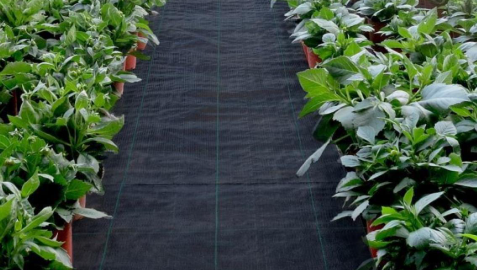
In landscaping and construction projects, choosing the right material is essential for long-term performance and low maintenance. One of the most effective solutions available today is non woven landscape fabric. This material is widely used for its excellent drainage capabilities, soil protection, and weed control. Understanding how non woven landscape fabric works can help you create durable and efficient outdoor spaces.
What Is Non Woven Landscape Fabric?
Non woven landscape fabric is made by bonding synthetic fibers together rather than weaving them. This process creates a flexible, permeable material that allows water to pass through while filtering soil particles.
Key Features
- High water permeability
- Excellent filtration properties
- Lightweight and flexible
- Resistant to environmental conditions
These features make it ideal for applications where drainage and soil stability are important.
Benefits of Non Woven Landscape Fabric
Superior Drainage
Non woven landscape fabric allows water to flow freely, preventing water buildup and reducing the risk of soil erosion.
Effective Soil Filtration
It keeps soil particles in place while allowing water to pass through, maintaining soil structure.
Weed Control
By blocking sunlight, it helps prevent weed growth in landscaped areas.
Easy Installation
Its lightweight nature makes it simple to handle and install in various projects.
Applications of Non Woven Landscape Fabric
Non woven landscape fabric is widely used in both residential and commercial projects.
See also: Effective Spider Pest Control Techniques for a Pest-Free Home
Landscaping Applications
- Garden beds
- Flower beds
- Decorative stone areas
- Walkways
Construction Applications
- Drainage systems
- Retaining walls
- Erosion control projects
Non Woven vs Woven Landscape Fabric
Understanding the difference between non woven and woven materials helps in selecting the right option.
Key Differences
- Non woven fabric: Better for drainage and filtration
- Woven fabric: Better for strength and load-bearing
Choosing the right type depends on your project requirements.
Installation Guidelines
Proper installation ensures maximum effectiveness.
Steps to Follow
- Clear the area of debris and vegetation
- Level the ground surface
- Lay the fabric evenly without wrinkles
- Overlap edges to prevent gaps
- Secure with pins or anchors
- Cover with gravel, soil, or mulch
Learn More About Fabric Solutions
For a deeper understanding of how this material works in real applications, you can explore non woven landscape fabric solutions designed for efficient drainage and soil protection.
Common Mistakes to Avoid
Avoid poor ground preparation, skipping overlap, using low-quality materials, or incorrect installation, as these can reduce effectiveness.
FAQs
What is non woven landscape fabric used for?
It is used for drainage, soil filtration, weed control, and erosion prevention.
Can non woven landscape fabric handle heavy loads?
It is not ideal for heavy loads; woven fabric is better suited for such applications.
How long does non woven landscape fabric last?
High-quality non woven landscape fabric can last for many years depending on usage and environmental conditions.
Conclusion
Non woven landscape fabric is a reliable and effective solution for improving drainage, protecting soil, and controlling weeds. Its flexibility, permeability, and ease of installation make it a valuable material for both landscaping and construction projects. By choosing the right fabric and installing it properly, you can ensure long-lasting performance and reduced maintenance. Investing in high-quality non woven landscape fabric is a smart step toward creating durable and efficient outdoor spaces.