
Transportation is evolving at a breakneck pace, driven by unprecedented technological advancements. From AI-powered traffic systems to smart public transport solutions, the focus is on making travel safer and more efficient. The intersection of technology and transportation is a fascinating space, brimming with innovation and potential. It’s not just about getting from point A to point B anymore; it’s about doing so in the smartest, safest way possible.
Making the most of ai and machine learning
Artificial intelligence (AI) and machine learning are reshaping the transportation landscape in ways previously thought impossible. Imagine a world where traffic lights adapt in real-time to reduce congestion or where predictive maintenance keeps buses running smoothly with minimal downtime. This isn’t science fiction; it’s happening right now. By analyzing vast amounts of data—from traffic patterns to vehicle performance—AI systems can make smarter decisions faster than any human ever could.
But it’s not just about efficiency. Safety is a critical component that AI is tackling head-on. For instance, AI algorithms can detect potential hazards on the road, such as pedestrians or cyclists, and alert drivers or even take corrective action autonomously. Think about how many accidents could be avoided with this kind of foresight. It’s a game-changer for urban mobility, making roads safer for everyone.
The rise of autonomous vehicles
Autonomous vehicles (AVs) are no longer a distant dream but a burgeoning reality. Self-driving cars are hitting the streets, albeit cautiously, as they undergo rigorous testing and refinement. The promise is alluring: reduced accidents, lower emissions, and less congestion. These vehicles use a combination of sensors, cameras, and AI to navigate complex urban environments without human intervention.
However, the journey to widespread adoption isn’t without its bumps. Regulatory hurdles, public skepticism, and technical challenges still loom large. But each test drive brings us closer to a future where AVs are a common sight. Imagine hailing a self-driving taxi or having your groceries delivered by an autonomous truck. It’s not just about convenience; it’s about revolutionizing how we think about transportation altogether.
Upgrading public transport security
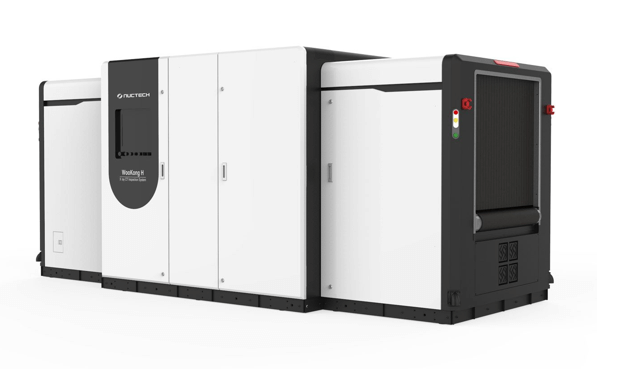
Public transport systems are the backbone of urban mobility, but they come with their own set of challenges—security being a significant one. With millions of passengers using buses, trains, and subways daily, ensuring their safety is paramount. Enter advanced security technologies like biometric scanners, x ray scanner baggage, and AI-powered surveillance cameras.
These systems can identify suspicious behavior in real-time, allowing authorities to respond swiftly to potential threats. Imagine a world where security personnel are alerted instantly if someone leaves an unattended bag or if there’s unusual activity on a platform. It’s not just about preventing incidents but also about reassuring passengers that their safety is taken seriously.
The role of iot in safety
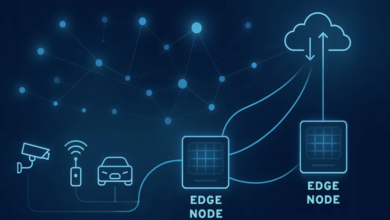
The Internet of Things (IoT) is another critical player in the quest for smarter, safer transportation. By connecting vehicles, infrastructure, and even pedestrians through a network of sensors and devices, IoT enables seamless communication and coordination. Imagine your car receiving real-time updates about road conditions ahead or your smartwatch alerting you to an approaching bus while you’re still sipping your morning coffee.
This connectivity extends to maintenance as well. Vehicles equipped with IoT sensors, along with advanced vehicle inspection equipment, can monitor their own health and report issues before they become serious problems. Think about the peace of mind knowing your bus won’t break down mid-commute because it already received a timely tune-up thanks to IoT diagnostics.
See also: OPPO Find X9 5G India Launch – Premium Design Meets Cutting-Edge Tech
Cutting-edge surveillance tech
Surveillance technology has come a long way from grainy CCTV footage that was more frustrating than helpful. Today’s systems are sophisticated, employing high-definition cameras, facial recognition software, and AI-driven analytics. These tools are invaluable for maintaining security across various transportation modes.
For instance, modern surveillance systems can track passenger flow in real-time, helping to manage crowds and ensure social distancing—a crucial feature in today’s pandemic-conscious world. They can also assist in incident investigations by providing clear, actionable footage that leaves little room for ambiguity.
In essence, these advancements aren’t just about keeping an eye on things; they’re about creating an environment where passengers feel secure and confident in their daily travels.
The future of transportation is undeniably exciting. With each technological leap comes the promise of smarter, safer journeys for everyone. As these innovations continue to evolve, one thing is clear: we’re heading towards a world where transportation is not just about movement but about enhancing the quality of life through intelligent design and thoughtful implementation.