

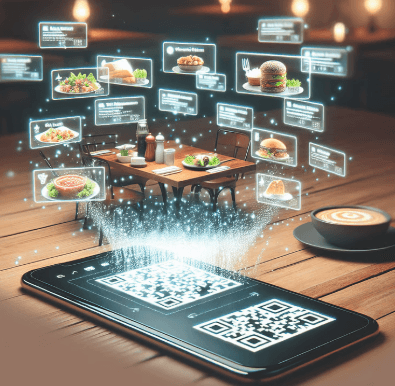
Across the food and beverage sector, self-service technology is reshaping how businesses serve customers and manage operations. The modern f&b kiosk has evolved far beyond a simple ordering terminal to become an intelligent customer touchpoint that drives revenue, streamlines service, and delivers valuable operational insights. Whether deployed in a quick-service restaurant, café, food court, or hospitality venue, F&B kiosks are proving their worth across every segment of the industry.
Why F&B Kiosks Are Growing in Popularity
Addressing the Labour Challenge
Rising labour costs and ongoing staffing challenges are among the primary drivers pushing F&B operators toward self-service solutions. f&b kiosk allow businesses to maintain consistent service levels during peak periods without proportionally increasing headcount, delivering significant operational savings without compromising on customer experience.
Meeting Digital-First Customer Expectations
Today’s consumers, particularly younger demographics, are accustomed to digital self-service across virtually every aspect of their lives. Providing a seamless, app-like ordering experience through F&B kiosks aligns with these expectations and positions your brand as forward-thinking and customer-centric.
Types of F&B Kiosk Deployments
Countertop Kiosks
Compact countertop kiosk units are ideal for cafés, juice bars, and smaller food service outlets where floor space is at a premium. These devices offer the same intelligent ordering and payment capabilities as full-size floor-standing units but in a much smaller footprint.
Floor-Standing Kiosk Totems
Free-standing totem kiosks are the most common format in quick-service restaurants and food courts. Their large touchscreens and prominent positioning make them easy for customers to locate and use, while their height and stability suit high-traffic environments.
Drive-Through Kiosks
Drive-through kiosk deployments are increasingly popular among quick-service chains seeking to process more vehicles per hour. These outdoor-rated units are designed to withstand weather conditions while delivering fast, accurate ordering for customers who prefer to remain in their vehicles.
Revenue Impact of F&B Kiosks
- Average transaction values typically increase when customers order via kiosk
- Reduced order errors lower food waste and remake costs
- Faster throughput during peak hours increases total covers served
- Upselling prompts consistently convert more customers to higher-value meal options
Implementation Best Practices
Strategic Kiosk Placement
Positioning kiosks near the entrance of your venue, in clear view of arriving customers, encourages adoption from the moment guests walk in. Ensure adequate spacing between units to avoid congestion during busy periods.
Staff Integration
Staff should be positioned near kiosk areas to assist first-time users and address any technical issues immediately. A smooth human-technology partnership is essential for maximising kiosk adoption rates and maintaining high customer satisfaction.
See also: Business Trip Planning: How Professionals Prepare for Work Travel
Frequently Asked Questions
Q: How long does a typical F&B kiosk deployment take?
A: A standard deployment at a single site can typically be completed within one to three days, including hardware installation, software configuration, menu uploading, payment system integration, and staff training.
Q: What happens if the kiosk system goes offline?
A: Quality F&B kiosk solutions include offline fallback modes that allow the system to continue processing orders locally until connectivity is restored. All transaction data is then synchronised once the connection is re-established.
Q: Can F&B kiosks support multilingual menus?
A: Yes, most modern F&B kiosk platforms support multilingual interfaces, allowing customers to switch between languages. This feature is particularly valuable in international tourist destinations and diverse urban markets.
Conclusion
F&B kiosks represent one of the most powerful and proven investments available to food and beverage operators today. By reducing labour dependency, increasing average spend, improving order accuracy, and delivering a modern customer experience, well-implemented kiosk solutions generate returns that far exceed their initial cost. As self-service becomes the norm rather than the exception, early adopters will continue to enjoy a meaningful competitive advantage.